How Does a Transportation Management System (TMS) Work?
%20Work%20Hero%20Image%201920x1080_c.jpg)

A common question that we get at TransPlus is — how does a Transportation Management System (TMS) work? Transportation Management Systems are an integral part of operations for freight carriers that provide a singular platform that provides oversight and control over key fleet and logistics operations with innovative solutions. TransPlus is here to help you better understand how a TMS platform works and how it can benefit your business.
Key Features, Functions, and Benefits of a Transportation Management System
A Transportation Management System (TMS) operates as the digital cockpit for trucking and freight companies. It is a specialized platform designed to streamline the movement of cargo from its point of origin to its destination accurately and cost-effectively. For freight carriers and freight brokers, a TMS works by centralizing important data that would have previously been spread across spreadsheets, emails, and phone logs — creating a single, cohesive workflow. By integrating real-time data with automated processes, a transportation management system allows businesses to plan, execute, and optimize their physical movement of goods with much higher precision.
- Order Digitization: A TMS converts emails or phone calls into structured digital orders to initiate the workflow.
- Load Planning: Automatically matches available drivers and equipment with shipments based on proximity and Hours of Service.
- Digital Execution: Transportation management systems push trip details directly to driver mobile apps to eliminate verbal miscommunication.
Automated Payments: Systems link delivery confirmation triggered by GPS geofencing directly to the invoice engine.
Contact TransPlus for a Demo of the TransPlus TMS Platform
Find out how a Transportation Management System works and how it can benefit trucking companies with TransPlus.
Key Features of a TMS
The features of a modern transportation management system are built to handle the complex challenges of the supply chain, ensuring that every member of your team — from the back office to the drivers on the road — is on the same page. These tools are designed to eliminate manual processes and reduce the potential for human error.
- Load and Asset Planning: Visual tools put in place to manage trailer capacity and driver availability.
- Carrier Management: Portals for onboarding and monitoring third-party carrier compliance.
- Telematics and ELD Integration: Telematics integrations and Electronic Logging Device (ELD) integrations provide direct links to truck hardware for HOS and location data.
- Mobile Driver App: TMS mobile driver apps provide a direct communication link for trip updates and document scanning.
- Reporting and Analytics: Dashboards that track Key Performance Indicators (KPIs) like revenue per mile.
Key Functions of a TMS
A TMS manages the entire lifecycle of a shipment, from start to finish. It functions as a bridge between the planning phase and the final invoice, ensuring that no steps are missed and that communication remains fluid and consistent every step of the way.
- Order Entry and Management: A TMS can quickly create and organize shipment requests.
- Rating and Quoting: The system can instantly calculate freight costs based on contracts or market rates.
- Route Optimization: Route optimization software determines the most efficient path for trucks to save fuel and time.
- Freight Audits and Payment: TMS platforms can automatically verify invoices against quoted rates to ensure financial accuracy.
- Status Tracking: A TMS platform can provide automated updates to customers regarding their shipment’s ETA.
Key Benefits of a TMS
Implementing a TMS is about more than just digitizing paperwork. It’s about gaining a competitive edge. The primary goal is to increase the volume of freight handled without needing to increase the number of office staff, effectively allowing the business to scale.
- Reduced Administrative Costs: Automated processes and data entry reduce the time and money spent on manual data entry.
- Enhanced Customer Service: Transportation management systems provide shippers with the transparency they demand.
- Improved Cash Flow: Faster document capture leads to quicker invoicing, payments, and cash flow.
- Data-Driven Decisions: Access to historical data helps identify the most profitable lanes and customers for carriers.
- Scalability: TMS platforms allow your business to handle more loads with the same amount of resources.
READ MORE: How AI Load Management Reduces Empty Miles
It is important for trucking and freight companies to understand how a transportation management system works, and how it can help companies thrive in today's economy. By transforming fragmented day-to-day tasks into a synchronized operation, a TMS gives you the ability to focus on growth rather than just daily operations.
Ready to see how a digital transformation can transform your fleet? Contact TransPlus today for a personalized demo of the TransPlus TMS platform to see our technology in action!
Read our TMS Buyer's Guide
Navigate the TMS software landscape with our comprehensive buyer's guide - find the perfect platform for your trucking business today.

Latest From the Blog
Our Insights on Tech, Industry Trends, and News.
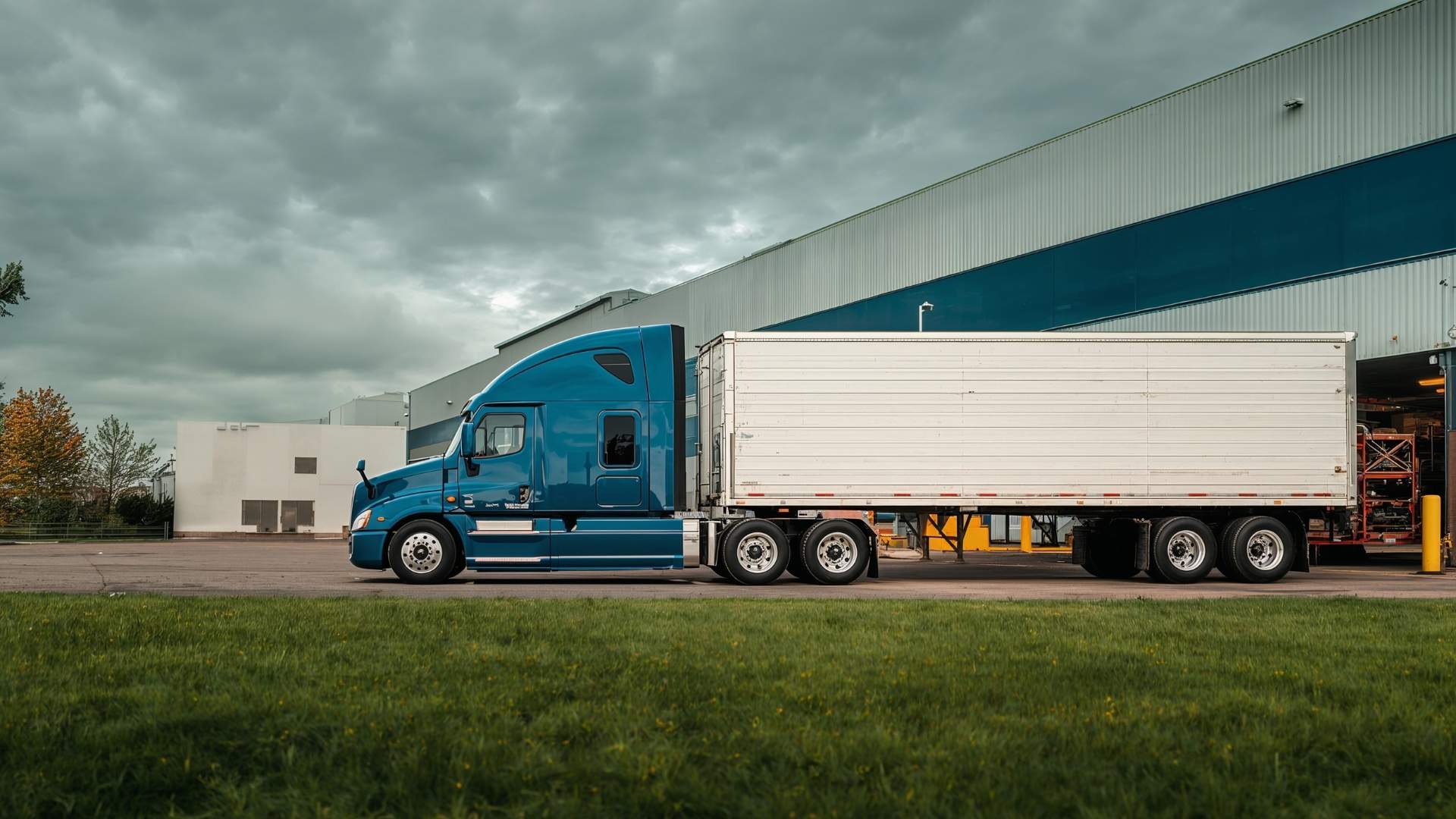
How a TMS Improves Load Management and Reduces Empty Miles
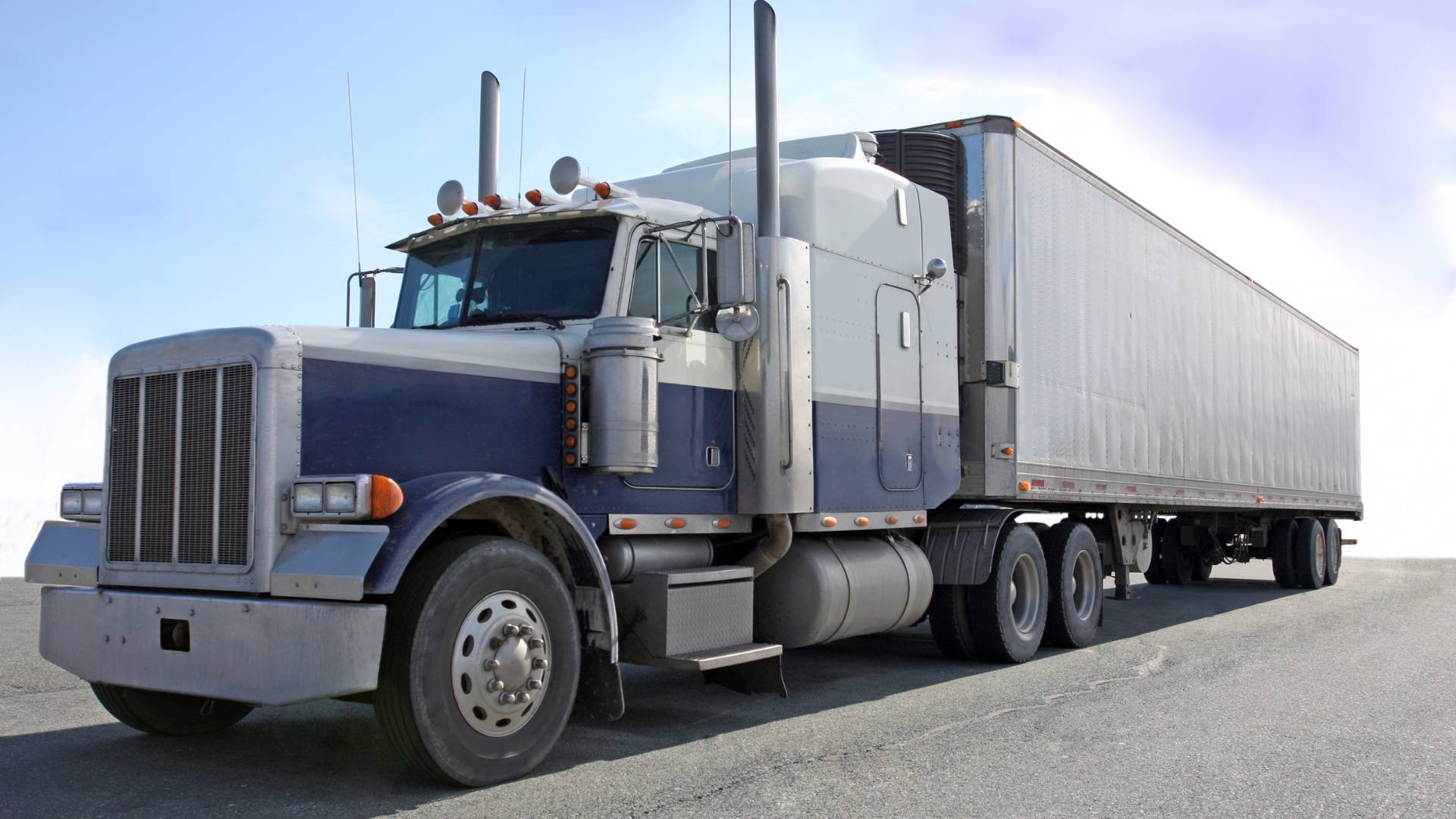
How a TMS Manages Freight Rates and Reduces Errors